







Search Results for: Hot coffee
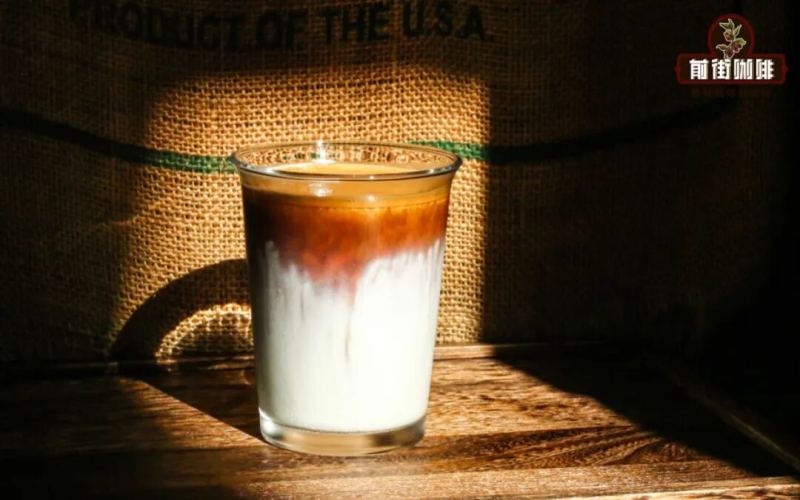
Coffee Preparation | Why don't coffee shops serve hot dirty coffee? How to make hot Dirty coffee at home? How does the taste of hot dirty differ from regular dirty?
Customer: "Boss, I'll have a Dirty!" Front Street: "Coming right up!" Customer: "Make it hot!" Front Street: "..., sorry, we don't have that. Dirty isn't made hot..." In the daily life of a coffee shop, this kind of exchange is a common occurrence. Because the ingredients for making a Dirty [more…]

The Hot vs. Cold Debate in Pour-Over Coffee: Why Hot Brewing Reveals a More Complete Flavor Layering
In the world of pour-over coffee, the choice between hot and cold drinks often sparks discussion. Many baristas recommend hot pour-over, not because iced pour-over doesn't taste good, but because hot brewing delivers a more complete flavor experience. Drawing on the practices at Front Street Coffee, this article analyzes the principles by which iced pour-over, through cooling with ice, leads to dilution of concentration and reduced extraction efficiency, and uses comparative experiments to demonstrate the actual gap between hot and iced brewing in aroma and flavor. At the same time, the article also explores the possibility of adjusting parameters to enhance the flavor of iced pour-over and the risks involved, helping coffee enthusiasts understand the characteristics of different brewing methods so they can make choices better suited to their own needs. [more…]
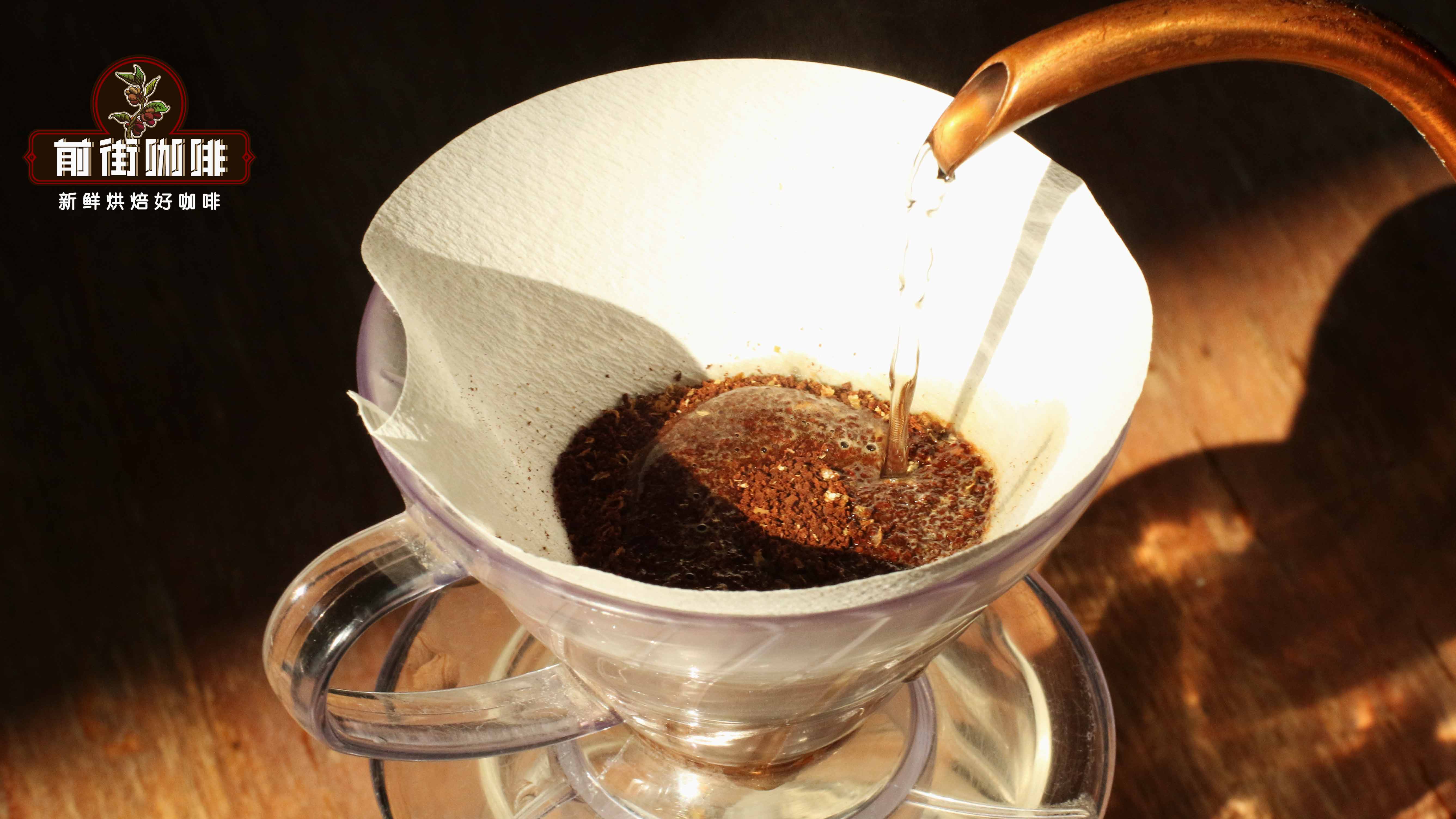
The Hot vs. Cold Pour-Over Coffee Debate: Why Choose Hot Brewing to Taste the Bean's True Flavor? The Principles of Japanese-Style Iced Pour-Over and Bean Selection Tips
Pour-over coffee, with its efficiency and convenience, has become a signature offering at many cafés. Brewed from the same bag of beans, hot and iced pour-over deliver completely different experiences. Drawing on everyday inquiries at Front Street stores, this article breaks down the differences between hot pour-over and Japanese-style iced pour-over in terms of grind size, water temperature, coffee-to-water ratio, and other parameters, explaining why hot pour-over has the edge when pursuing complete flavor, while also acknowledging the strengths of iced pour-over in cleanliness and refreshing crispness. At the end, it organizes pour-over bean recommendations from Front Street suited to different taste preferences—including Xizhua, Huakui, Strawberry Candy, as well as PWN Golden Mandheling, Queen's Estate, and Bird of Paradise—to help enthusiasts choose according to their needs. [more…]
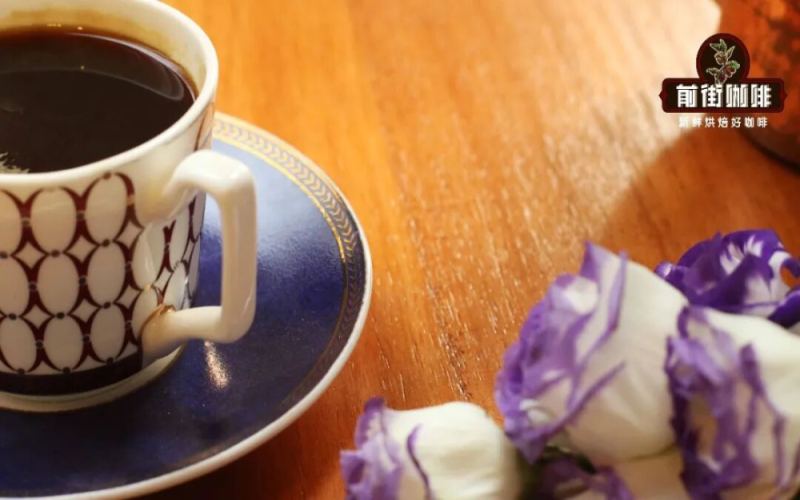
Why Is Hot Americano So Bitter? Explaining the Differences Between Iced and Hot Americano from Temperature, Bean Type, and Ratio, Plus Bean Selection Tips
Many coffee enthusiasts' first impression of hot Americano is "bitter," and some even joke that the only difference between it and traditional Chinese medicine is that you can't use health insurance for it. In fact, iced Americano and hot Americano are essentially the same black coffee made by diluting espresso, but hot Americano tends to be less popular—office workers rely on it to stay awake while mocking themselves as "bitterly fated people." What exactly causes this difference in bitterness? This article, drawing on Front Street Coffee's tasting experience, breaks down the three major factors of temperature, coffee beans, and ratio, and offers specific advice on how to make a hot Americano that is aromatic without being bitter, as well as which coffee beans to choose if you fear bitterness and prefer sweetness. [more…]
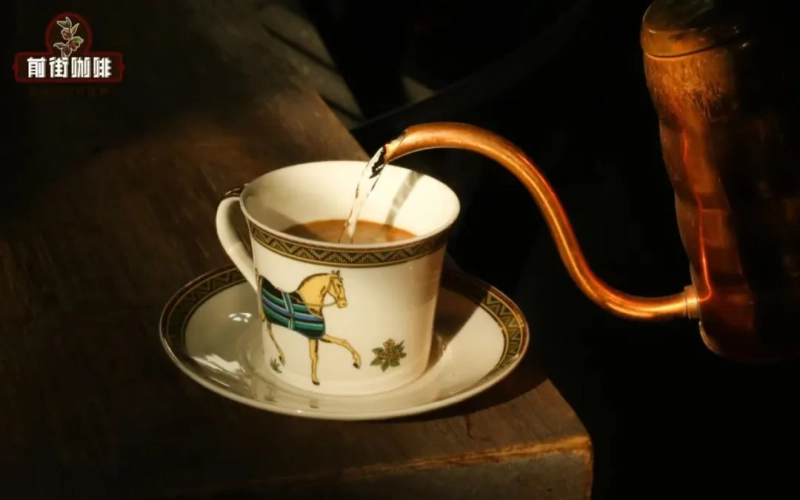
Hot Americano Coffee Water-to-Coffee Ratio and Water Temperature Selection: What Temperature Is Best for Brewing
Americano is made with espresso as its base, diluted with hot water. It seems simple, but in reality, both the water-to-coffee ratio and water temperature affect the final flavor. This article starts with the origin of Americano, provides a detailed analysis of the standard preparation parameters for hot Americano, and by comparing the tasting performance of four water temperatures—55°C, 65°C, 75°C, and 90°C—immediately after preparation, 5 minutes later, and 20 minutes later, identifies the most suitable water temperature range for dine-in hot Americano. The article also recommends several Front Street Coffee espresso beans and their Americano preparation parameters for coffee enthusiasts' reference. [more…]

Can a Hot Dirty Coffee Be Achieved? Unraveling the Layering Principle and the Feasibility of Hot Drink Preparation
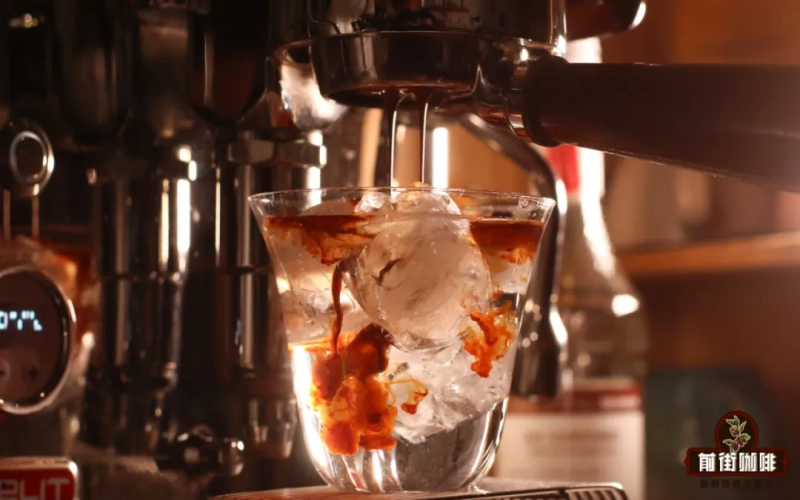
Since its creation, Dirty coffee has been served as a cold drink, using the density difference between cold milk and hot espresso to create a distinctly layered texture. But many coffee enthusiasts have raised the question: can Dirty be made as a hot beverage? This article begins with Front Street Coffee's secret menu, traces the origins and core production of Dirty, and deeply analyzes the feasibility of hot Dirty. Through actual testing with a specially made ice ball to rapidly cool the espresso and heating the milk, an attempt is made to replicate the layered effect, and the flavor differences between the iced and hot versions are compared. The article also explores the limitations of hot Dirty in café service, answering for coffee enthusiasts why hot Dirty is difficult to become a regular option. [more…]
Why Is Hot Americano More Bitter Than Iced Americano? A Comprehensive Analysis of Brew Ratios and Pouring Order
Hot Americano is often complained about for being "more bitter than life itself," while an iced Americano made from the same base goes down much more easily. Where exactly does this difference come from? This article takes a deep dive into the reasons why hot Americano stands out for its bitterness, examining three dimensions: the effect of temperature on taste, coffee bean roast level, and brew strength. It also provides the standard Americano coffee-to-water ratio and brewing recommendations. At the same time, Front Street Coffee has put together a list of espresso beans suitable for making Americano, from classic blends to floral-and-fruity SOEs, to help you find the cup that suits you best. Finally, we also objectively present the unique flavor advantages of hot Americano, and invite you to vote: iced Americano, hot Americano, or room-temperature Americano? [more…]

Why does the same cup of Americano taste so drastically different when enjoyed hot versus iced?
The recipe for an Americano looks simple enough—just espresso diluted with water. But what's interesting is that merely switching the water from hot to iced makes it taste like two completely different drinks. A hot Americano is steady and full-bodied, while an iced Americano is crisp and lively—even the flavor direction shifts. The reason behind this doesn't lie in differences in extraction method, but in how temperature affects our sense of taste and smell. Starting from a hot-versus-cold comparison of Front Street Coffee's Warm Sun blend, this article walks you through why hot and iced Americanos can develop such distinctly different styles, and why this difference naturally divides coffee lovers into two camps. [more…]
What Is the Ideal Water Temperature for a Hot Americano? A Comparative Experiment from 55°C to 90°C and the Perfect Ratio Recipe
The difference between a hot americano and an iced americano ultimately comes down to whether the espresso is combined with hot water or iced water. This seemingly simple combination actually involves a lot of nuance—water temperature, the coffee-to-water ratio, and the timing of tasting all influence the final flavor of an americano. This time, Front Street Coffee brewed hot americanos with four different water temperatures—55°C, 65°C, 75°C, and 90°C—and compared them at three points in time: just after brewing, 5 minutes later, and 20 minutes later. Using measured data, we’ll tell you which temperature is best for serving a hot americano for dine-in, and reveal the complete pattern of how coffee flavor changes over time at different water temperatures. [more…]
Analysis of Flavor Differences Between Hot and Iced Pour-Over Coffee: Extraction Yield, Water Temperature Ratio Parameters, and Tasting Experience Comparison
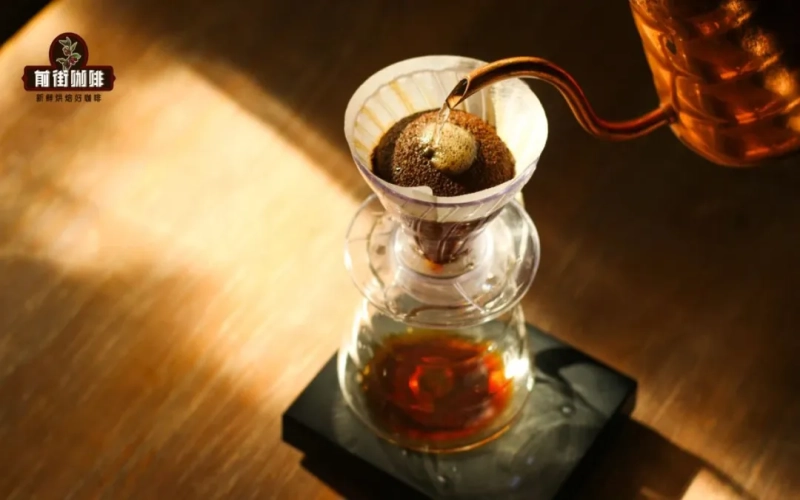
When tasting a new bean, why is it recommended to choose a hot brew first? This article delves into the flavor differences of black coffee made by pour-over, French press, siphon, and other methods under hot brewing and iced brewing from the perspectives of extraction yield, concentration, water temperature parameters, and so on. Taking pour-over coffee as an example, the article specifically compares the different settings of hot brewing and iced brewing in terms of coffee-to-water ratio, grind size, water temperature, and other parameters, and explains why iced brewing often requires sacrificing part of the extraction yield in exchange for higher concentration. At the same time, it also explores the influence of temperature on aroma, taste, and aftertaste, explaining why hot coffee can more fully present the complete picture of a bean. [more…]
No straw with hot coffee leads to bad reviews? Let's talk about the industry conventions and consumer perception differences behind it
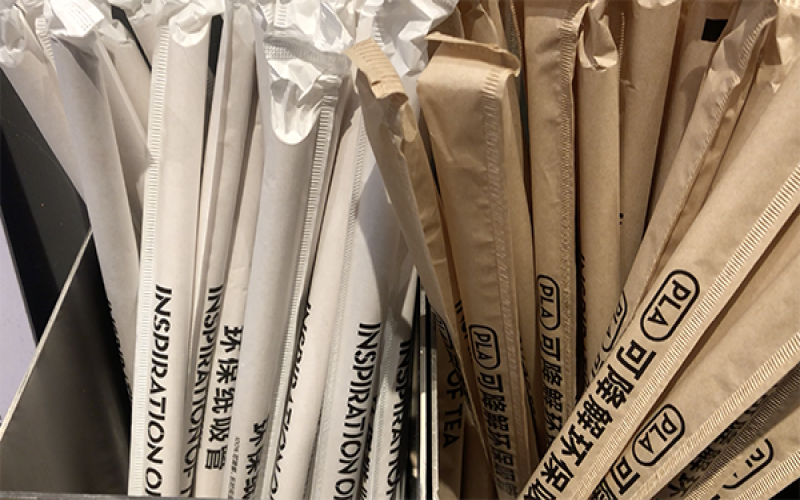
When winter arrives, you order a hot coffee and find there's no straw included—some people grumble about it, while others go straight to leaving a bad review. But why do businesses default to not providing straws with hot drinks? Behind this are both safety considerations—hot liquids can easily cause burns, and plastic straws may release harmful substances when exposed to heat—and a tacit consensus gradually formed across the industry. However, not all customers are veteran coffee enthusiasts, and when faced with "needing utensils" only to receive a hot drink without a straw, misunderstandings and dissatisfaction are naturally hard to avoid. This article will break down the causes and consequences of this contradiction, look at how chain brands and independent cafés respond, and consider what mindset we should adopt toward the diverse choices in how coffee is consumed. [more…]

Can iced pour-over coffee be brewed directly with ice water? A detailed explanation of the extraction principles and parameters of Japanese-style iced pour-over and hot pour-over
Many people, when first encountering iced pour-over, have this thought: since hot americano uses hot water and iced americano uses ice water, then if hot pour-over uses hot water, shouldn't iced pour-over just use ice water directly? This idea sounds reasonable, but pour-over extraction is far from that simple. This article will first clarify the underlying logic of extraction, then explain why brewing with ice water is theoretically feasible but almost no one actually does it in practice, followed by an analysis of the relationship between Japanese-style iced pour-over and hot pour-over, complete parameters from Front Street Coffee for both hot and iced brewing, and finally a real result from an ice water brewing experiment, for coffee enthusiasts' reference. [more…]
Which is more outstanding: iced, hot, or room-temperature Americano? What water temperature is suitable for controlling hot Americano?
It's the same espresso diluted with water, so why do iced, hot, and room-temperature Americanos taste so different? This article starts with the origins of the Americano, traces how Italian-style cafés brought this drink to prominence, and uses a comparative experiment—making iced-water, room-temperature-water, and 88°C-hot-water versions of the Americano with Front Street Coffee's classic espresso blend—to break down the differences one by one across three dimensions: aroma, flavor, and mouthfeel. The article also provides specific methods for making all three types of Americano, the ratio of espresso to water, and the reason hot Americanos shouldn't use water that's too hot, helping coffee lovers choose based on the taste they want at the moment. [more…]
The Ideal Temperature for Americano | How Big Is the Difference in Flavor and Mouthfeel Between Hot and Iced Americano? An Introduction to the Standard Recipe for Hot Americano: Coffee-to-Water Ratio and Water Temperature
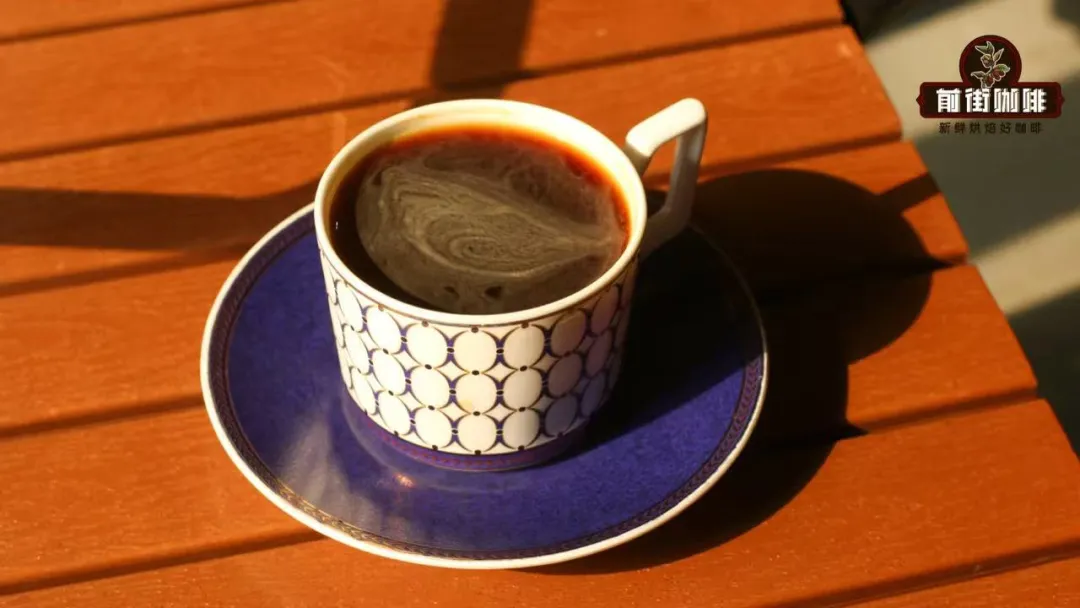
Because American soldiers during World War II were not used to the extremely strong small cups of coffee local to Europe, they asked the shops to add hot water to dilute it, imitating the taste and flavor of American drip coffee. And because this cup of coffee was widely popular among American soldiers, it was named Americano "America [more…]
Hot Coffee Beats Iced Coffee for Beating the Heat? A Scientific Look at the Temperature Debate in Summer Coffee Drinking
On a scorching summer day, with temperatures approaching 40 degrees Celsius, would you rather pick up a glass of iced coffee or a hot coffee? Most people's instinct would be to choose a cold drink to dispel the heat, yet scientific research gives the exact opposite answer: a hot beverage may actually be the truly effective way to cool down. This article explores in depth the pros and cons of iced coffee versus hot coffee in summer from the perspectives of taste perception, the principle of ice dilution, and the body's sweating and evaporation mechanisms, and analyzes why some people insist on drinking hot coffee in the sweltering heat. Whether you are a loyal fan of iced coffee or a staunch supporter of hot coffee, this discussion about temperature and how it feels to the body is worth a read. [more…]
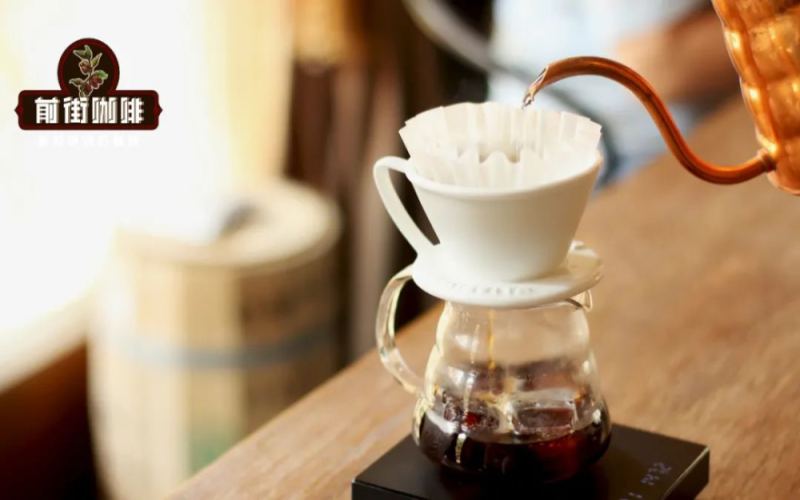
Why Does Iced Pour-Over Coffee Taste Weaker? A Comparative Analysis of Hot and Cold Extraction with Four Different Coffee Bean Styles
Both are pour-over coffees, but just how big is the difference in taste between the hot version and the iced version? Many coffee enthusiasts have noticed that certain beans, when brewed hot, are full of aroma and layered with complexity, yet once turned into iced pour-over, they become as bland as water. To get to the bottom of this, Front Street Coffee selected four coffee beans with distinctly different profiles and brewed each as both hot pour-over and iced pour-over, comparing them one by one across three dimensions: aroma, flavor, and mouthfeel. This article not only presents the detailed comparison results, but also starts from the principles of extraction to explain why iced pour-over tends to lose flavor, and offers advice on selecting coffee beans suitable for making iced pour-over. [more…]
A Complete Analysis of the Flavor Differences Between Iced and Hot Pour-Over: Which Coffee Beans Are Better for Iced Brewing?
During the National Day holiday, many coffee enthusiasts visited the shop to buy coffee beans and also asked Front Street about a common confusion: the same beans, when brewed as hot pour-over, have excellent aroma and taste, but when made into iced pour-over, the flavor becomes vague, the mouthfeel is thin, and it even tastes like water. Why exactly is this? Front Street selected four coffee beans with different styles and conducted hot pour-over and iced pour-over extractions respectively, comparing them from the three dimensions of aroma, flavor, and mouthfeel. This article will take washed medium-light roast, natural medium-light roast, dark roast, and fermented beans as examples, presenting the true performance of each under the two brewing methods one by one, and deeply analyze the reasons why iced pour-over flavor becomes weaker. Finally, it will give suggestions for selecting coffee beans suitable for making iced pour-over, helping everyone enjoy a rich yet refreshing iced coffee even in hot weather. [more…]
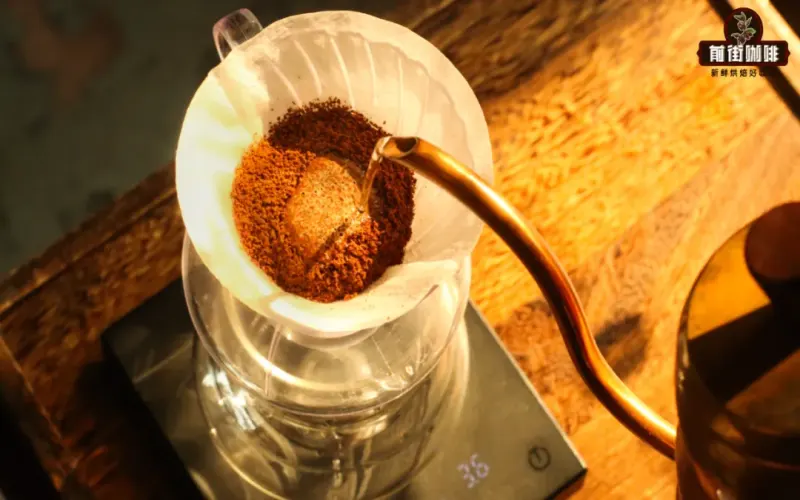
An Analysis of Flavor Differences Between Hot and Iced Pour-Over Coffee: A Professional Tasting Comparison from Temperature to Brewing Parameters
When buying coffee beans at a coffee shop or a Front Street location, many coffee enthusiasts ask the same question: for single-origin pour-over coffee, is it better hot or iced? Why is the flavor of hot pour-over coffee often more intense and prominent than iced pour-over? This article will start from the effects of coffee temperature on taste bud perception and aroma volatilization, deeply analyze why hot drinks make it easier to taste flavor, and at the same time explain the special adjustments in brewing parameters for iced pour-over—how operations such as reducing the amount of water, increasing the ratio of grounds to ice, and grinding finer affect the final flavor performance. The article also takes Front Street Ethiopia Huakui as an example, separately presenting a comparison of tasting results between hot brewing and iced brewing, to help readers fully understand the respective flavor characteristics and suitable scenarios of the two brewing methods. [more…]
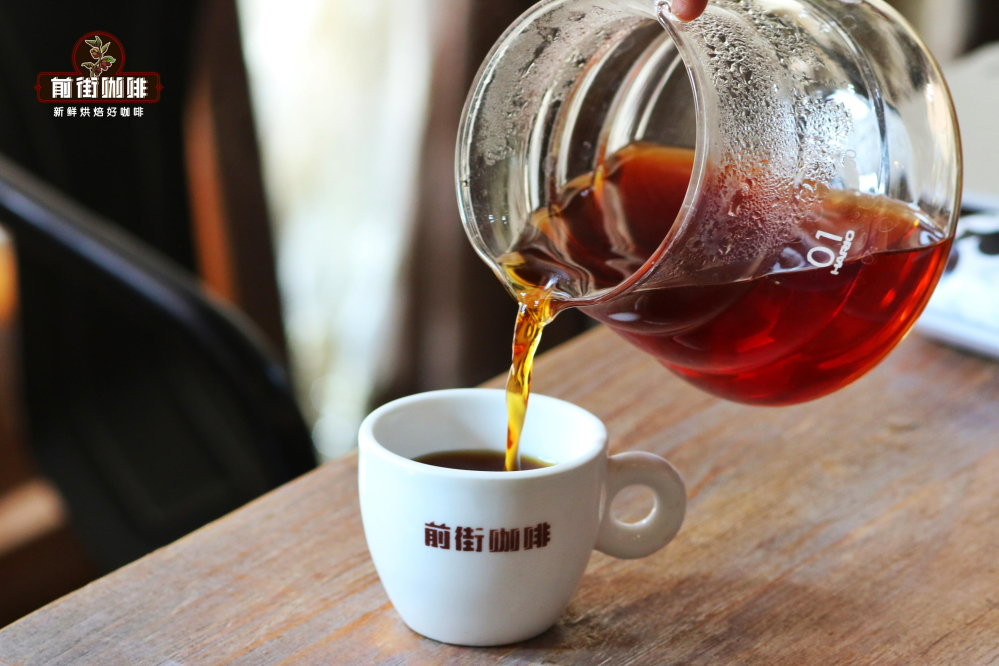
Types of Black Coffee | Which Has More Caffeine and Is More Refreshing, Iced Coffee or Hot Coffee? Iced Americano or Hot Americano—Which Tastes Better? How Does Temperature Affect the Flavor and Mouthfeel of Americano?
Which has more caffeine and is more invigorating, iced coffee or hot coffee? Many people would answer that hot coffee is more invigorating. But in fact, whether coffee is invigorating has little to do with it being cold or hot; it depends more on the caffeine content of the coffee variety and the amount of caffeine extracted during brewing. If the same coffee beans are used, extract [more…]
Analysis of the Optimal Serving Temperature for Hot Americano: A Comparative Experiment Between Dark and Light Roast Beans
In the cold winter, the order rate for hot Americanos rises noticeably, yet the serving temperature at different cafés varies widely, ranging from 60°C to over 90°C. Exactly which temperature range allows a hot Americano to reach its best flavor and mouthfeel? Front Street used a dark-roast espresso blend and a medium-light-roast single-origin bean respectively, comparing them one by one at four temperatures: 60°C, 70°C, 80°C, and 90°C, conducting tests across dimensions such as aroma retention, initial drinking experience, changes as it cools, and the length of the enjoyable drinking window. The results showed that the optimal temperature for dark-roast and light-roast beans is not the same, but both are not very friendly to high temperatures above 80°C. This article will present the full experimental process and conclusions to help coffee lovers find the most ideal state for a cup of hot Americano in winter. [more…]